The Role of Local Identity in Successful Placemaking Projects
Posted by Marketing & PR on 17 Mar 2026
Placemaking is about far more than designing attractive spaces. At its heart, it’s about creating places that people recognise, connect with and feel proud to call their own.
This is why local identity plays such an important role in successful placemaking projects. When developments reflect the character, culture and creativity of an area, they don’t just improve the built environment. They strengthen communities and support wider regeneration goals.
Across towns and cities, culture and placemaking are increasingly central to public sector strategy. Local authorities are recognising that arts, heritage, public spaces and community engagement all contribute to stronger local economies, improved wellbeing and vibrant town centres.
When placemaking reflects local identity, it can also support wider initiatives such as high street renewal, cultural tourism and place-based investment.
Why local identity matters
Every community has its own story. It may be shaped by its heritage, its landscape or the creative energy of the people who live and work there. Successful placemaking projects recognise these qualities and build them into how places are designed, experienced and promoted.
When developments ignore local identity, they often struggle to connect with the people they are meant to serve. Spaces can feel generic or disconnected from their surroundings, which makes it harder for communities to develop a sense of ownership.
By contrast, when placemaking and community identity are closely aligned, places become more meaningful and memorable. Local culture becomes part of the everyday experience of a place, helping communities feel recognised and valued.
Many public sector organisations are now investing in projects that use culture as a driver for regeneration. These initiatives combine creative activity, community engagement and public space to support a stronger local identity. You can explore examples of this approach in Perfect Circle’s culture and placemaking projects.
Designing with the community in mind
Successful placemaking projects often begin by listening to the people who know the area best. Local residents, artists and organisations have valuable insight into what makes a place distinctive and how spaces are used in everyday life.
Engaging with communities early in the process helps uncover the elements that matter most. These might include heritage landmarks, creative networks, local events or spaces where people naturally gather.
When these insights shape the design process, placemaking becomes more authentic. The resulting spaces feel connected to the area’s identity rather than imposed upon it.
This approach also strengthens long-term engagement. When people see their culture, history, and creativity reflected in a place, they are more likely to feel proud of it and contribute to its ongoing success.
Celebrating culture through place
Local culture is one of the most powerful drivers of placemaking. When cultural activities are visible and accessible, they encourage people to explore their surroundings and engage with the communities around them.
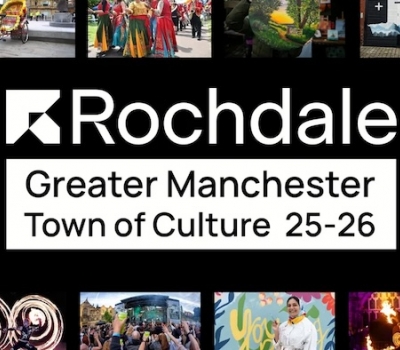
A strong example of this can be seen in Rochdale, which has been named Greater Manchester’s Town of Culture for 2025 to 2026. The year-long programme celebrates the borough’s creativity through festivals, exhibitions and community events designed to bring people together and showcase local talent.
At the centre of this cultural ecosystem sits the Rochdale Creates platform. Perfect Circle partnered with Rochdale Borough Council to design and build the directory website, bringing together artists, venues and cultural organisations into a single hub.
The platform continues to support the borough’s cultural momentum during the Town of Culture celebrations. As highlighted in Helping Rochdale Creates celebrate Rochdale’s Year of Culture, the directory has become a focal point for connecting the creative community and showcasing the breadth of talent across the borough.
This kind of ambition is being echoed elsewhere. In Calderdale, communities are coming together to support Halifax’s bid for Town of Culture status, with a shared vision to deliver an inspiring cultural programme that reflects the area’s identity and creativity.
Creating places people care about
Ultimately, successful placemaking projects create places people care about. When local identity is recognised and celebrated, communities are more likely to connect with their surroundings and take pride in them.
Culture and placemaking initiatives that combine community engagement, creative storytelling and digital platforms can transform how people experience a place. By bringing together artists, organisations and audiences, they help ensure that local identity continues to shape the future of towns and cities.
When placemaking reflects the stories and creativity of the people who live there, it becomes more than a development project. It becomes a shared expression of place.
Get in touch
If you’re looking to commission a culture and placemaking project, especially one with a digital dimension, talk to us. We know this space, and as the UK’s leading social marketing agency, we know how to deliver. Contact us today.
The power of automated marketing
Download Report