Why sustainable manufacturing needs more than technology to succeed
Posted by Marketing & PR on 27 May 2026
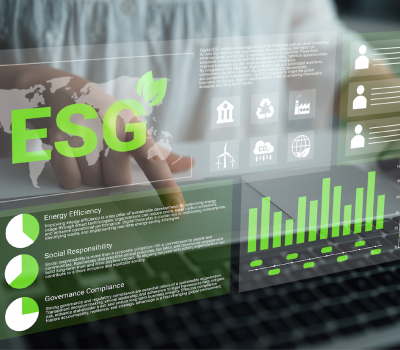
The manufacturing sector is changing rapidly as organisations face growing pressure to reduce emissions, improve ESG performance, increase efficiency and respond to evolving sustainability expectations. Across the UK and beyond, businesses are investing heavily in automation, advanced materials, digital transformation and low-carbon innovation as they prepare for the future.
Technology is rightly seen as a major part of that future, but many organisations are discovering that technology alone doesn’t guarantee progress. Sustainable manufacturing succeeds when people adopt new systems, engage with sustainability goals and actively participate in change.
Businesses can introduce smarter systems and greener processes, but if employees don’t understand them, if stakeholders don’t trust them or if audiences fail to see their value, progress quickly stalls. That’s why more organisations are recognising that sustainability is not only a technical challenge but also a behaviour-change challenge.
Sustainability depends on people as much as processes
At Perfect Circle, we work with organisations that want to influence positive behaviours, simplify complex systems and create meaningful engagement around sustainability. As a behaviour change agency, our role isn’t to engineer manufacturing systems or develop materials innovation, but to help organisations communicate sustainability clearly and encourage long-term adoption.
Modern manufacturers need to communicate effectively with:
● Investors
● Partners
● Regulators
● Customers
● Researchers
● Employees
The organisations that succeed won’t simply be the ones with the best technology. They’ll be the ones who engage people most effectively, build stronger connections with their audiences and make sustainability easier for people to understand and act on.
Why communication is important
One of the biggest barriers facing sustainable manufacturing is complexity. Manufacturers often operate in highly technical environments filled with specialist systems, detailed compliance requirements and innovation-led processes that can feel inaccessible to wider audiences.
If sustainability messaging feels confusing or overly technical, organisations may experience:
● Lower engagement
● Reduced trust
● Missed collaboration opportunities
● Underused digital platforms
● Weaker stakeholder connections
Clear communication helps bridge that gap by transforming technical information into something more accessible, engaging and actionable. It creates clarity around sustainability goals, strengthens trust with stakeholders and helps organisations guide audiences towards meaningful action instead of simply presenting information and hoping engagement follows naturally.
Behaviour change turns sustainability ambition into action
This is where behaviour-change thinking becomes commercially valuable for manufacturing organisations. Behaviour change focuses on understanding what motivates people, the barriers they face and the influences on decision-making across different audiences and environments.
Whether the challenge involves:
● Increasing engagement with sustainability initiatives
● Improving adoption of digital systems
● Encouraging innovation partnerships
● Strengthening ESG communication
The principle remains the same. People are more likely to engage when experiences are designed around their needs, motivations and behaviours.
Supporting the future of sustainable manufacturing
This thinking shaped our recent work with the Sustainable Materials & Manufacturing Centre (SMMC), the UK’s flagship hub for materials innovation and industrial collaboration. SMMC chose Perfect Circle to create a future-ready digital platform that supports innovation, collaboration and sustainable growth across the manufacturing sector.
Rather than simply delivering a website, we focused on creating a platform that actively supports:
● Engagement
● Collaboration
● User action
● Innovation partnerships
● Long-term growth
Using behaviour-change principles, persona development and audience insight, we designed user journeys that work for manufacturers, researchers, funders, collaborators and innovation partners alike. The result is a scalable platform that helps audiences connect with opportunities, navigate information more easily and engage with sustainable manufacturing in a more meaningful way.
The future belongs to manufacturers who engage people effectively
The future of sustainable manufacturing will belong to organisations that understand the relationship between innovation and human behaviour. Technology will continue to transform the sector, but people will ultimately determine whether those transformations succeed in practice.
The organisations that communicate clearly, build trust, encourage collaboration and design systems around human behaviour will be the ones that create lasting impact.
Let’s Talk About What’s Next
At Perfect Circle, we help organisations bridge that gap through behaviour-led communication, strategic digital systems and audience-first thinking that turns sustainability ambition into meaningful action.
Planning your next digital project? Website, CRM, insight programme or all of the above, we’d love to help. Get in touch with us today.
The power of automated marketing
Download Report